Convergent resilience for flood-prone, levee-protected communities in Pennsylvania | Social Science Research Institute
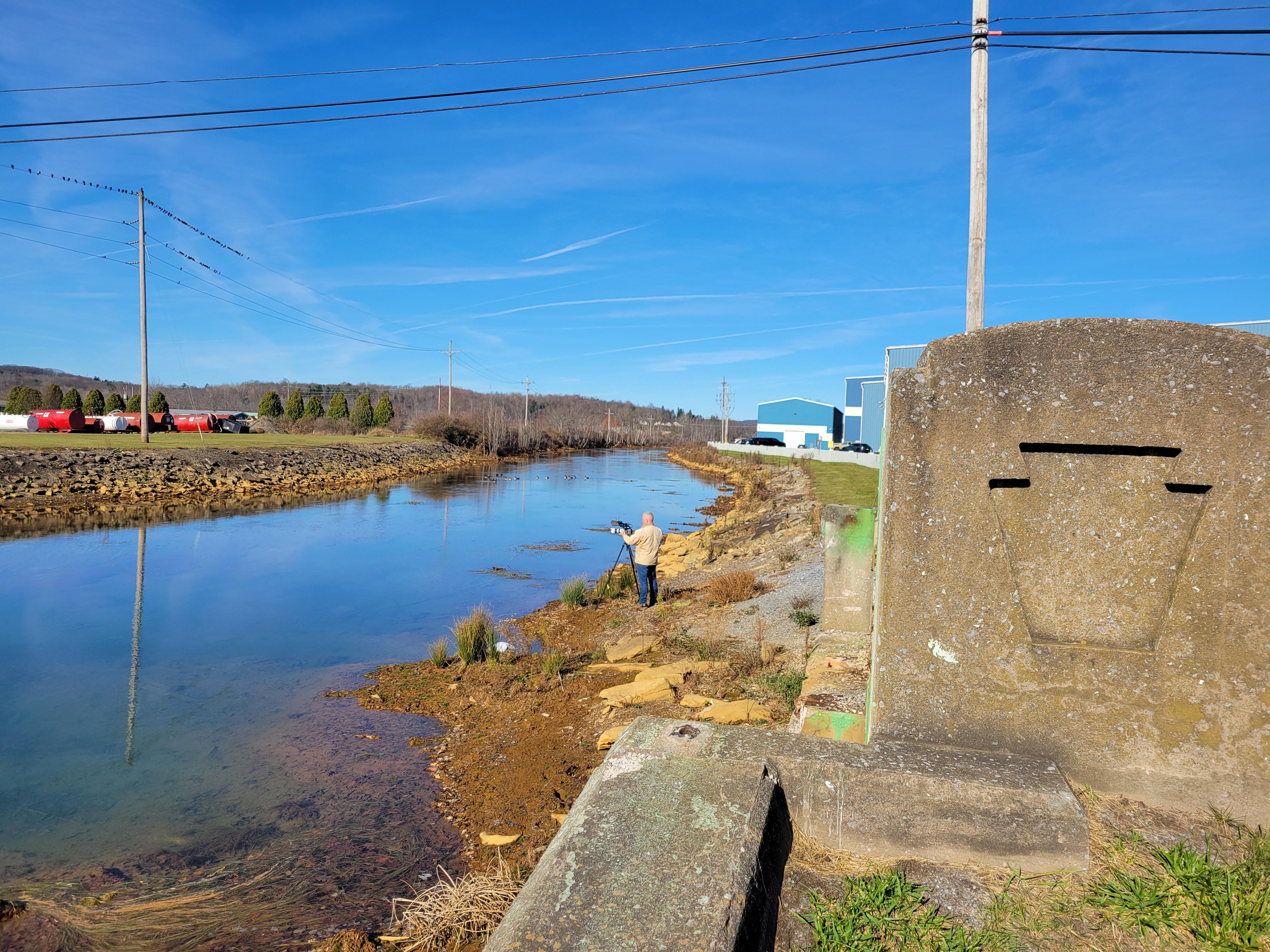
The objective of this project is to establish a method to document community resilience in relation to specific flood events and infrastructure changes over time in PA communities. This will help inform the development of more comprehensive solutions for promoting flood resilience, especially in communities who do not have the capacity to physically upgrade their flood protection infrastructure.
Private sector perspectives on built environment resilience | ARISE-US
This project aims to understand how private sector companies view resilience as it relates to (1) their own continuity of operations and (2) to built-environment resilience more broadly. We also seek to document the tools private sector companies are using to advance resilience in their industries and understand potential incentives to increase resilience in practice. This project is a collaboration with a team from ARISE-US.
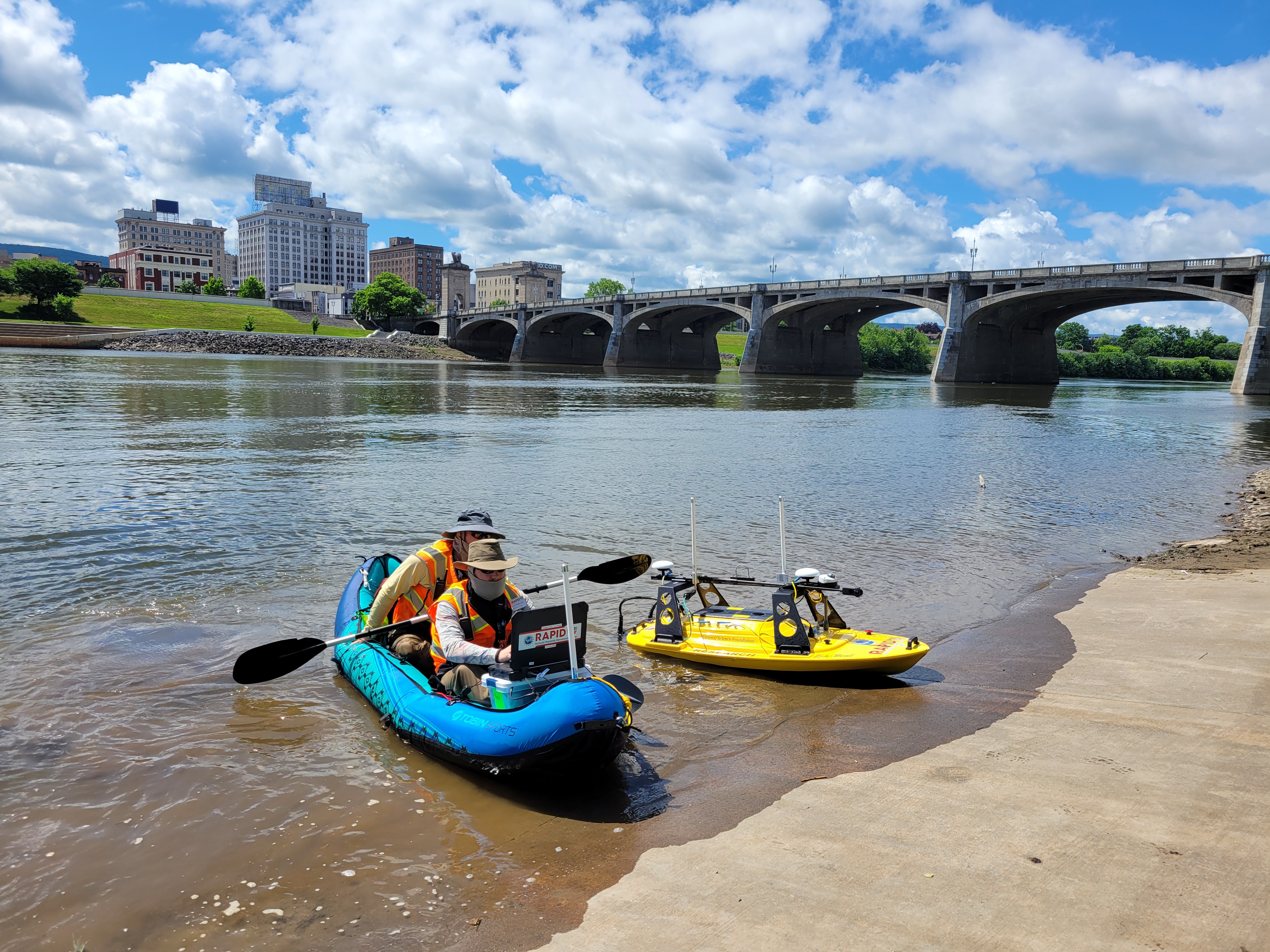
CIVIC: Accelerating coproduced flood resilience in rural levee communities | National Science Foundation
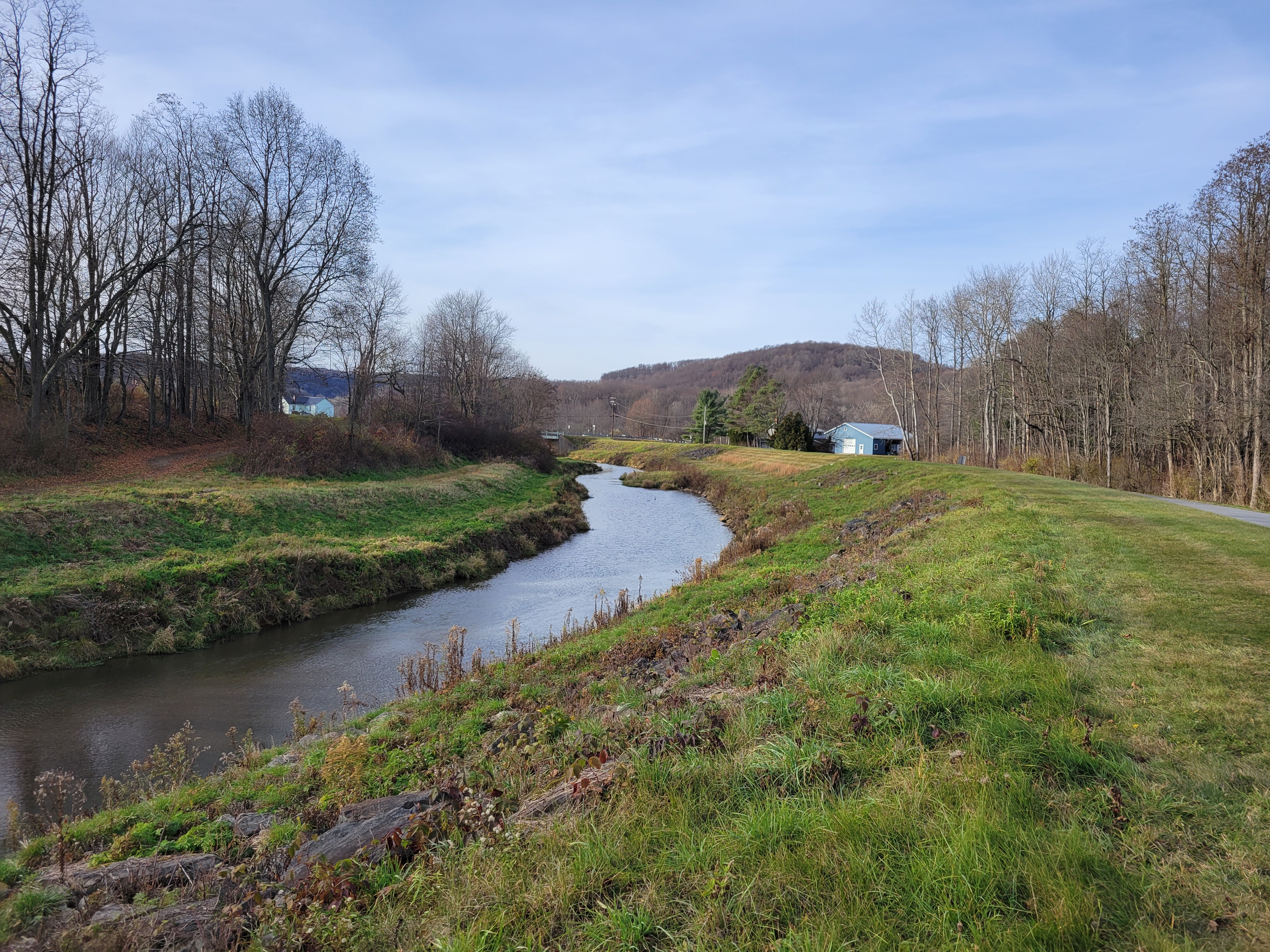
Flooding is the most frequent and costly natural hazard in the United States. This project uses rural areas in Pennsylvania as a pilot to bring scientists and rural/small communities together with engineering firms, levee evaluation experts, and stakeholders to co-design tools and processes for improved flood resilience.
Geotechnical data fusion for improving AI subsurface predictions | CIAMTIS U.S. DOT Region 3 University Transportation Center
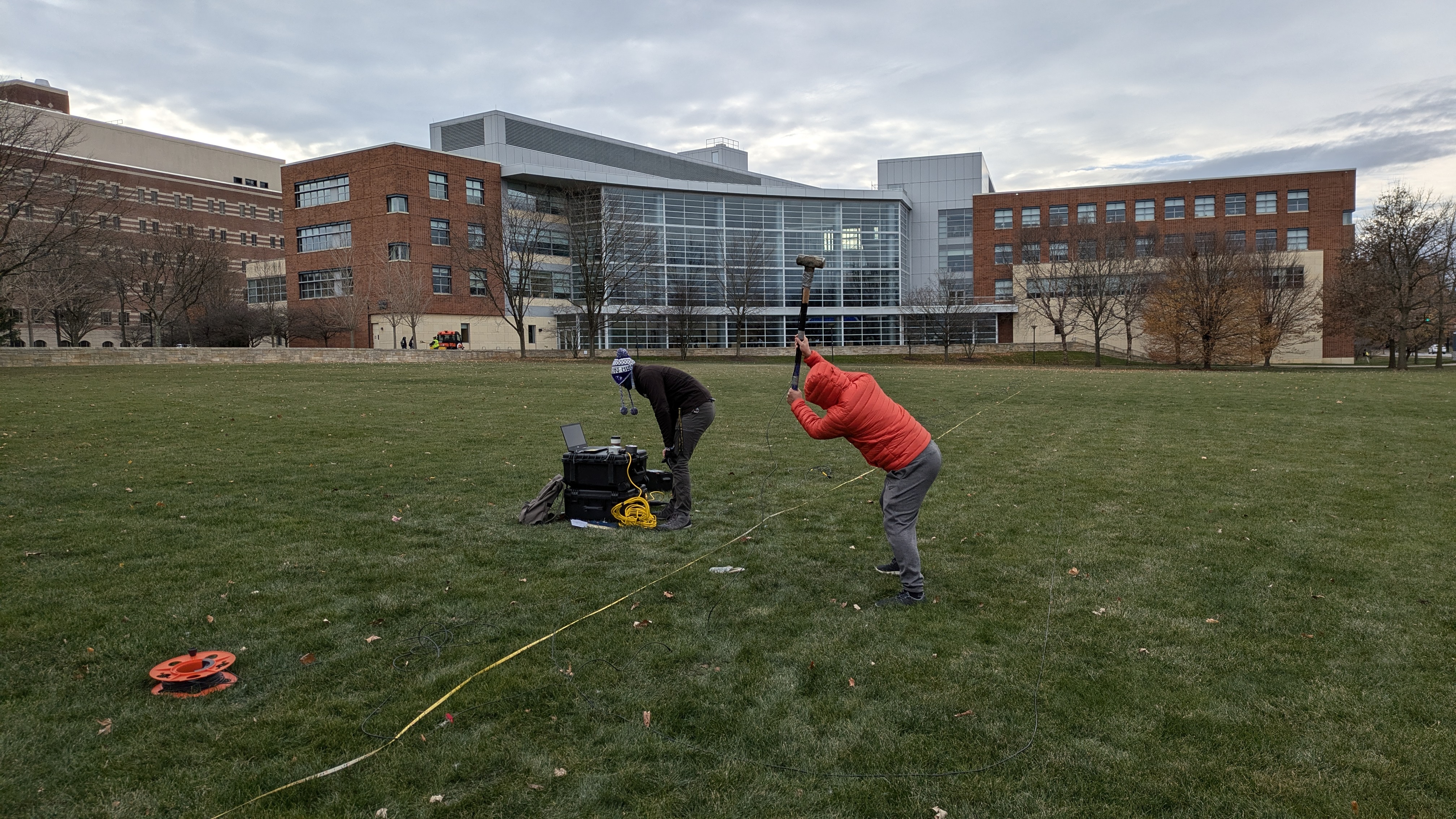
The goal of this project is to evaluate the efficacy of, and improve subsurface predictions from, the publicly available data repository and ML-driven predictive tool Geosetta.
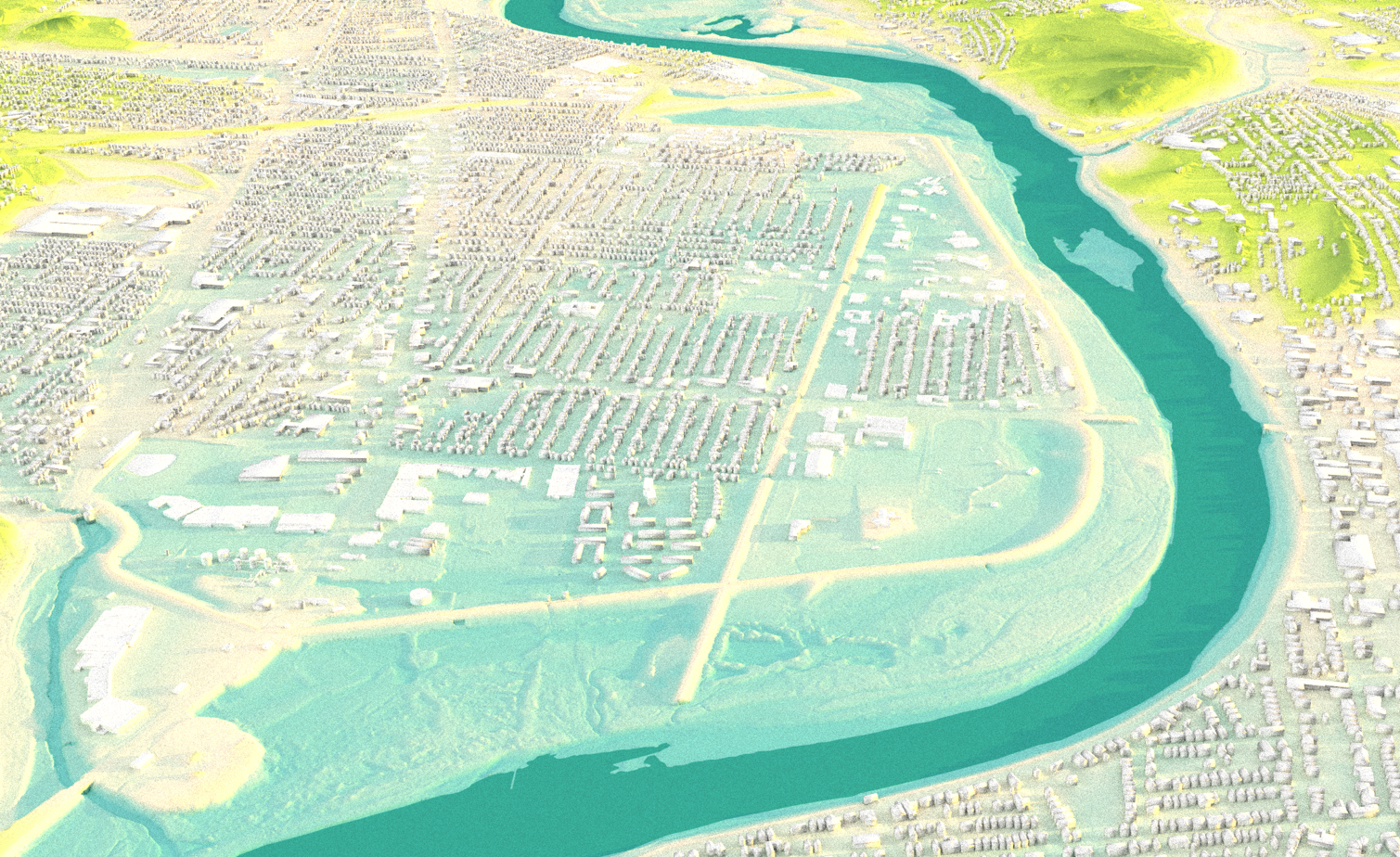
Visualizing inland flood hazard in the face of climate change | Institute for Energy and the Environment
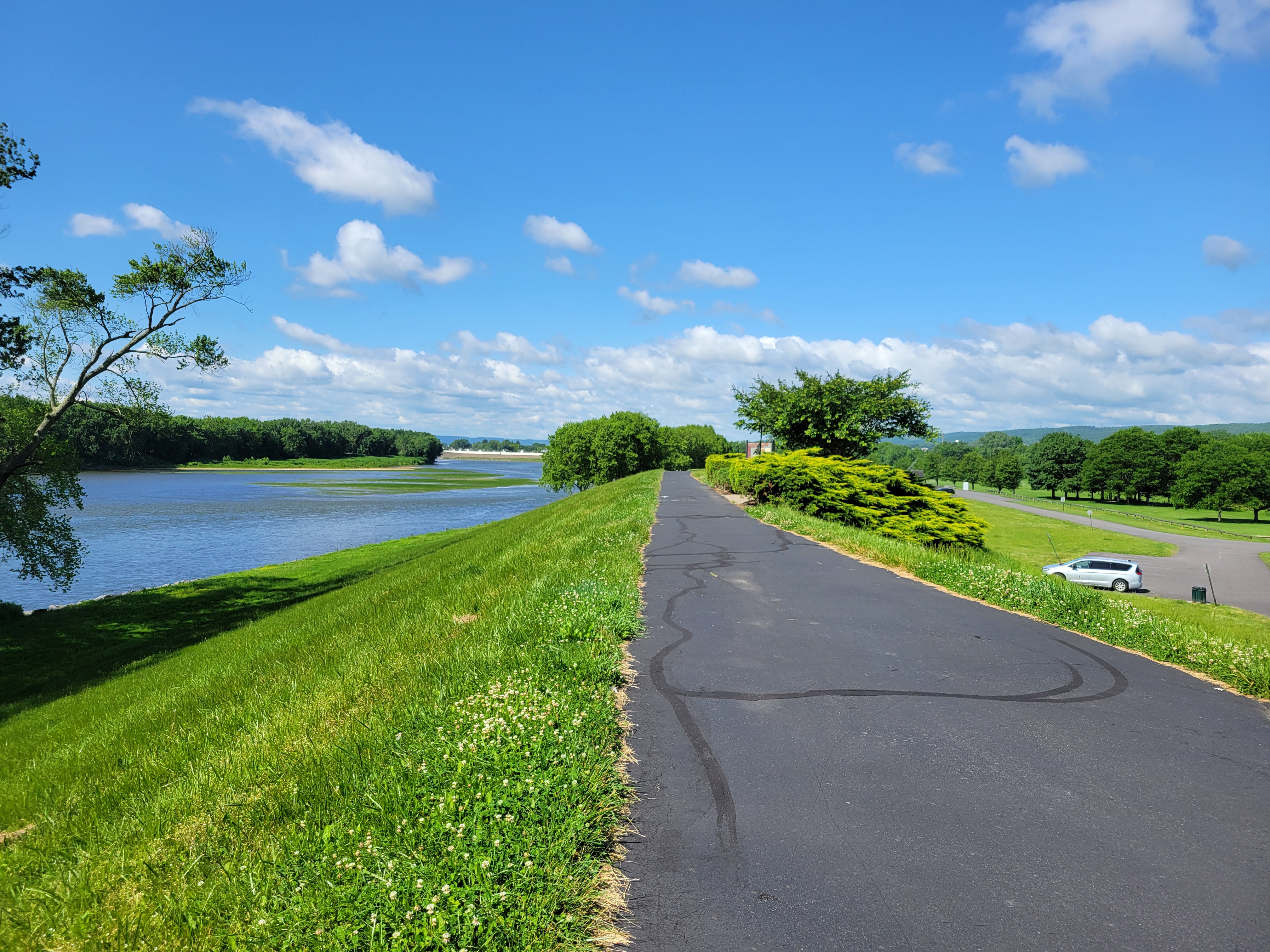
This project integrates visualization, hydrologic modeling, and geotechnical engineering by applying state-of-the-art 3D visualizations to rigorous scientific models of flood hazard and levee stability for a leveed community in Luzerne County, Pennsylvania.
CLIMA: Climate-resilient infrastructure adaptations for maladaptive levee networks | National Science Foundation
This project explores a theory-guided systems modeling framework for designing climate-resilient levee infrastructure that supports floodplain communities in an equitable way.
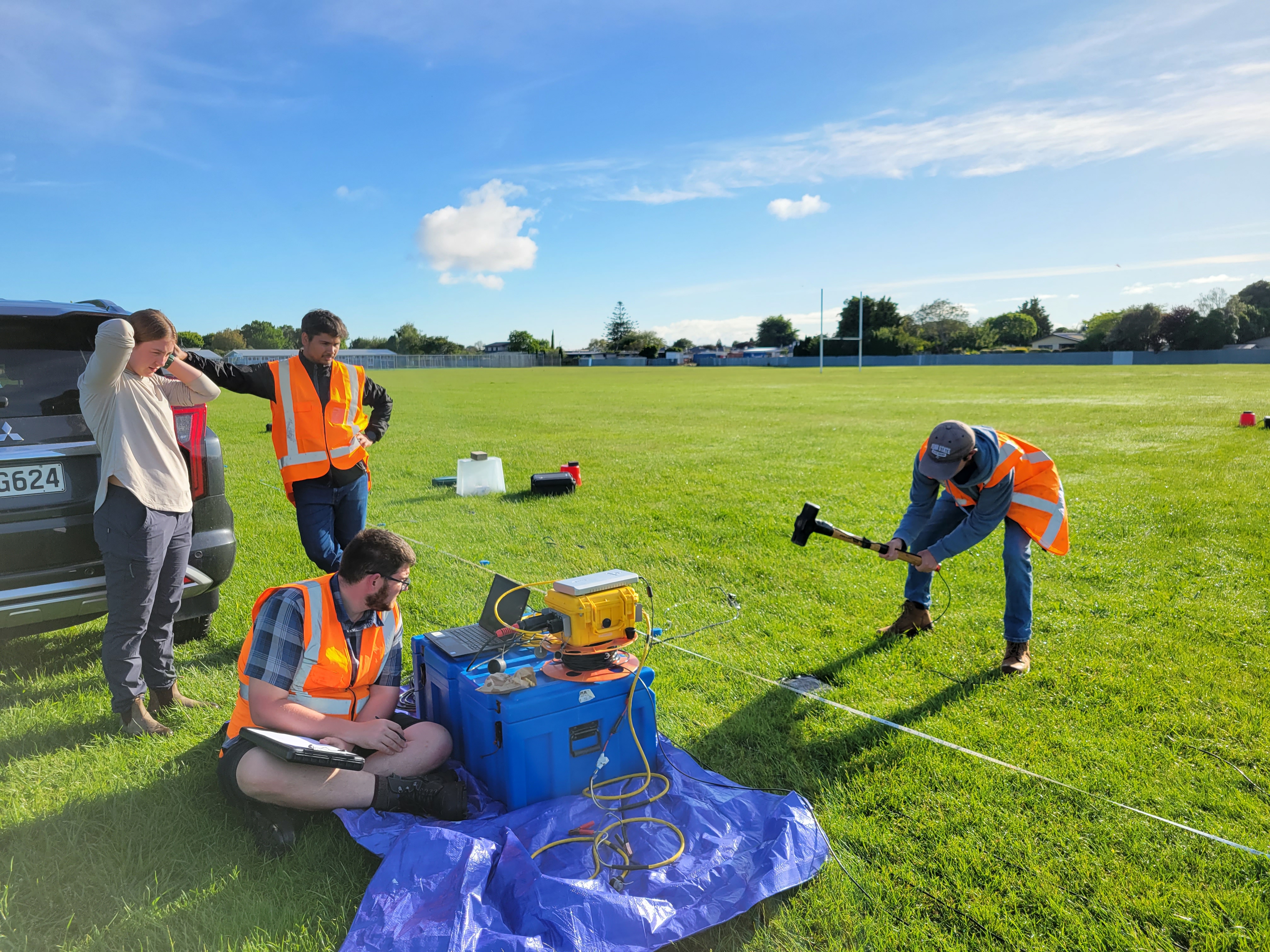
Towards linking hydro-climatic change and earthquake hazard | Penn State & University of Auckland
This project explores the impacts of hydro-climatic change on earthquake-induced liquefaction hazards in Napier, Hawke's Bay, New Zealand.